2 sources checked · source map still forming · 39m ago
Needs Review
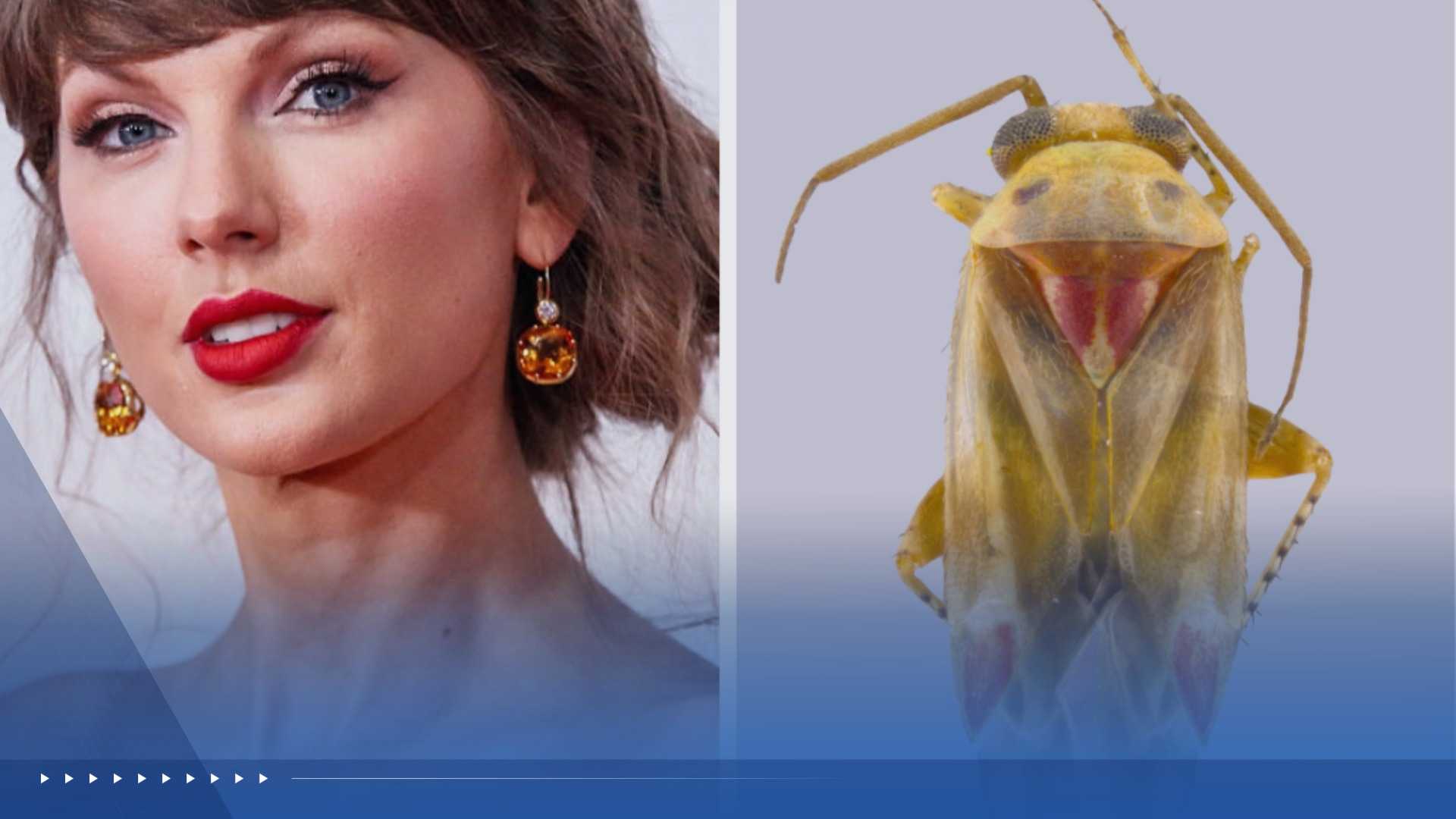
In her insect 'era': Scientists caught the 'Swiftie' bug and named a genus after Taylor Swift
All headlines use identical phrasing, showing no framing differences.
0 Left2 Center0 Right
Needs review.This source map is too narrow, too early, or mixed-format to trust yet.
NEEDS REVIEW
As of September 9, 2026 at 11:56 PM, this is how Optics News reads the wording differences in this story.
What happenedTaylor Swift's latest honor is crawling straight out of the insect world. Why a California doctoral student has named a bug genus after the international superstar.
The headline splitThe headlines are mostly aligned. The differences are small wording choices, not a major framing split.
Match confidenceDeveloping. Only 2 sources are matched, and the source map is still narrow. Useful to watch, not enough to draw conclusions yet.
Same-event confidenceDeveloping
Not enough sources yet to confirm this is the same specific event.
Framing confidenceHidden
Wording-gap score not shown — same-event match is still developing.
Wording differs, but the match is too narrow to read confidently yet.
WHAT EACH SIDE EMPHASIZED
Left / center-leftNo matching source in this bucket yet.
Optics keeps watching for pickup.
CenterIn her insect 'era': Scientists caught the 'Swiftie' bug and named a genus after Taylor Swift
WDSU New Orleans (Hearst) · Center · News report
Right / center-rightNo matching source in this bucket yet.
In her insect 'era': Scientists caught the 'Swiftie' bug and named a genus after Taylor Swift
insect 'eraScientistsSwiftie' bugnamedTaylor Swift
Taylor Swift's latest honor is crawling straight out of the insect world. Why a California doctoral student has named a bug genus after the international superstar