2 sources checked · source map still forming · 56m ago
Needs Review
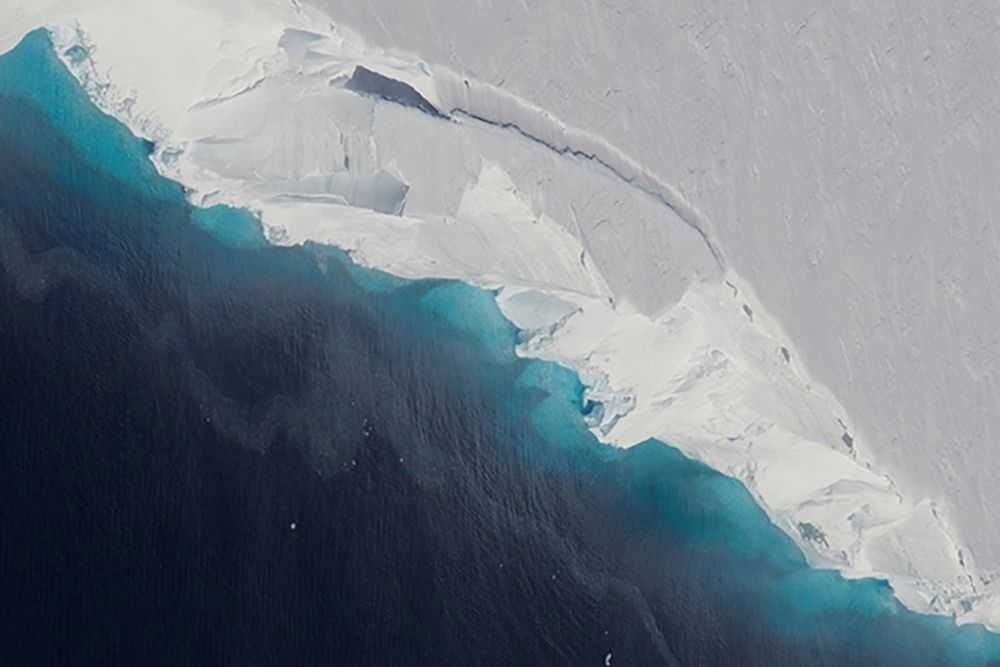
Scientists knew Doomsday Glacier was melting. They didn’t realize how ‘aggressively’
KCRA3 Sacramento (Hearst) and New Scientist describe the same event in different terms.
0 Left2 Center0 Right
Needs review.This source map is too narrow, too early, or mixed-format to trust yet.
NEEDS REVIEW
As of October 15, 2026 at 8:00 PM, this is how Optics News reads the wording differences in this story.
What happenedThe planet’s widest glacier is melting "more aggressively" than previously projected.
The headline splitWDSU New Orleans (Hearst) frames it as "Scientists knew Doomsday Glacier was melting. They didn’t realize how ‘aggressively’". New Scientist frames it as "Antarctica’s ‘doomsday’ glacier will keep melting even if oceans cool".
Match confidenceDeveloping. Only 2 sources are matched, and the source map is still narrow. Useful to watch, not enough to draw conclusions yet.
Same-event confidenceDeveloping
Not enough sources yet to confirm this is the same specific event.
Framing confidenceHidden
Wording-gap score not shown — same-event match is still developing.
Wording differs, but the match is too narrow to read confidently yet.
WHAT EACH SIDE EMPHASIZED
Left / center-leftNo matching source in this bucket yet.
Optics keeps watching for pickup.
CenterScientists knew Doomsday Glacier was melting. They didn’t realize how ‘aggressively’
WDSU New Orleans (Hearst) · Center · News report
Right / center-rightNo matching source in this bucket yet.
Antarctica’s ‘doomsday’ glacier will keep melting even if oceans cool
Computer models suggest that unrealistically cold oceans would be insufficient to stop Thwaites glacier retreating, although a neighbouring glacier might begin to grow