2 sources checked · source map still forming · 10h ago
Needs Review
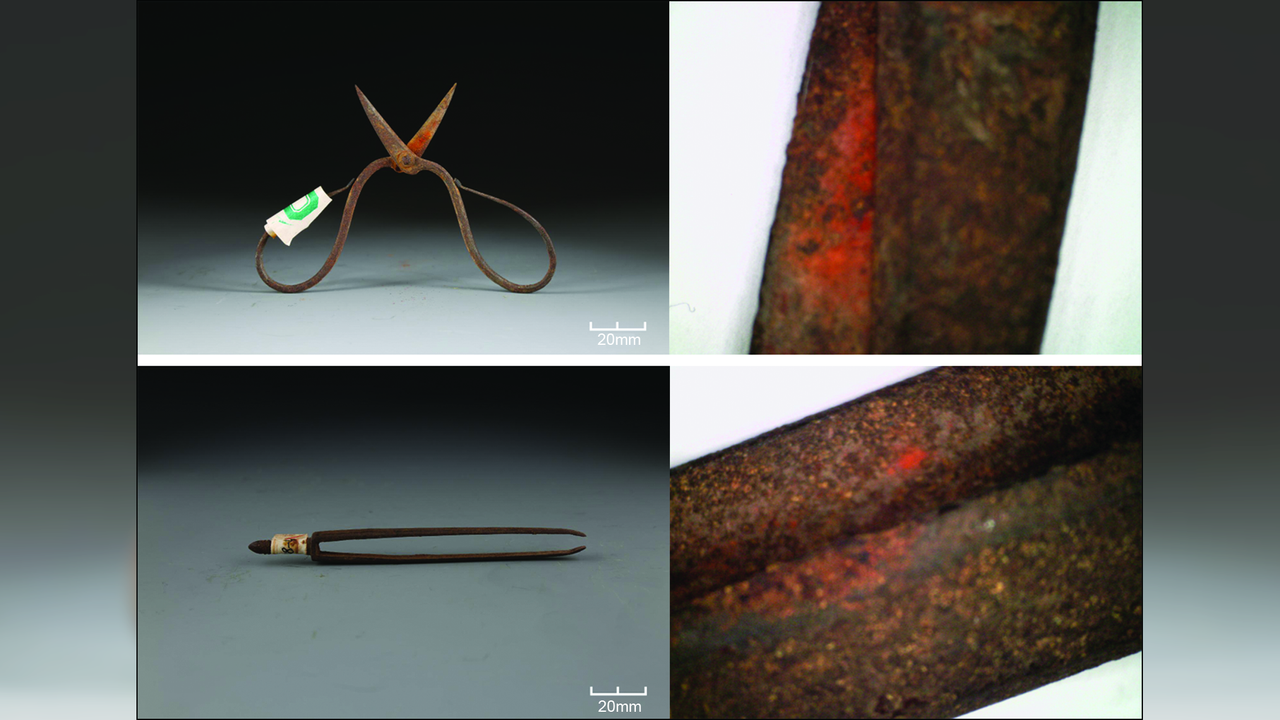
Toxic plant on Ming dynasty-era surgical tools may be world’s oldest chemical evidence of topical anesthetic
An analysis of residue on centuries-old surgical tools reveals the use of a toxic anesthetic in Ming dynasty-era Chinese medicine.
0 Left2 Center0 Right
Needs review.This source map is too narrow, too early, or mixed-format to trust yet.
NEEDS REVIEW
As of May 25, 2026 at 11:01 PM, this is how Optics News reads the wording differences in this story.
What happenedAn analysis of residue on centuries-old surgical tools reveals the use of a toxic anesthetic in Ming dynasty-era Chinese medicine.
The headline splitThis source map appears to mix related topics or outlier articles, so Optics should not treat it as a clean same-event wording gap yet.
Match confidenceDeveloping. Only 2 sources are matched, and the source map is still narrow. Useful to watch, not enough to draw conclusions yet.
Same-event confidenceDeveloping
Shared tokens are only topic names, not a shared specific event.
Framing confidenceHidden
Wording-gap score not shown — same-event match is still developing.
Wording differs, but the match is too narrow to read confidently yet.
WHAT EACH SIDE EMPHASIZED
Left / center-leftNo matching source in this bucket yet.
Optics keeps watching for pickup.
CenterToxic plant on Ming dynasty-era surgical tools may be world’s oldest chemical evidence of topical anesthetic
Live Science · Center · News report
Right / center-rightNo matching source in this bucket yet.
Ancient anesthetic reveals Ming China's sophisticated medicine
ancientrevealschinassophisticatedmedicine
Microscopic analysis of residues on surgical scissors and tweezers from a 1348–1411 CE tomb in Jiangyin, China, finds the first evidence for the controlled application of a highly toxic che...